



5 Common Home Interior Design Mistakes and How to Avoid Them
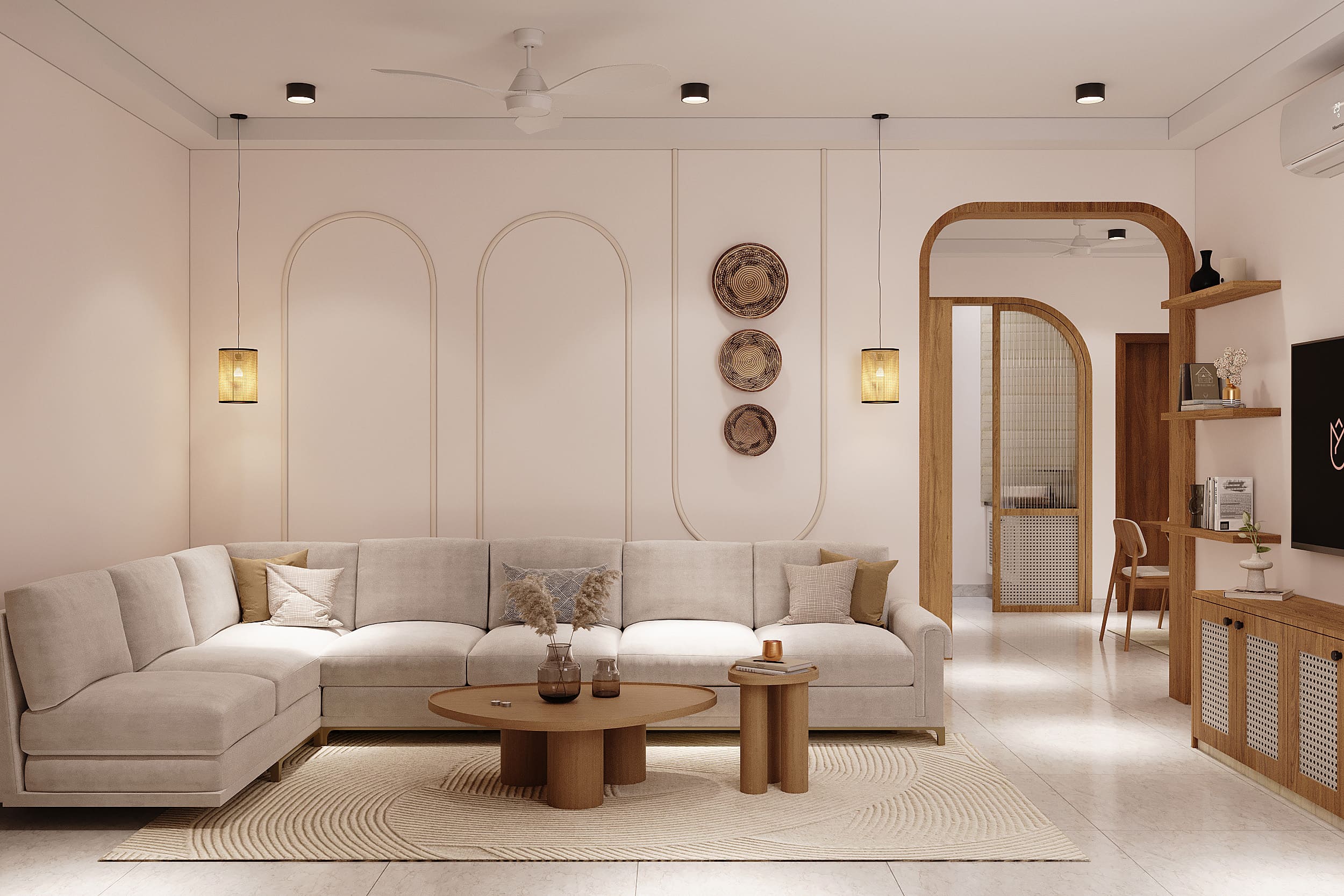
As modern homes in Hyderabad continue to evolve, living spaces are becoming more compact while lifestyle expectations continue to rise. From work-from-home setups to multi-functional family areas, today’s homes require thoughtful planning. Without the right approach, even small interior design mistakes can turn into long-term regrets. This guide highlights the most common interior design mistakes to avoid, helping homeowners plan spaces that work better every day. Based on real homeowner experiences, here are five common mistakes and practical ways to avoid them.
1. Focusing Only on Visual Appeal
Many homeowners select designs based purely on how they look in images or show homes. While aesthetics are important, designs that ignore everyday usability often fail over time. Kitchens with limited counter space, wardrobes without proper internal planning, or cramped living areas can make daily routines uncomfortable.
How to avoid it:
Balance beauty with function. Think about how each space will be used daily—movement, storage, cooking habits, and family interactions—before finalising layouts and finishes.
2. Poor Lighting Planning
Lighting is often treated as a last-minute decision, which can result in dull or unevenly lit spaces. Depending only on ceiling lights can make rooms feel flat and uncomfortable, affecting mood and productivity.
How to avoid it:
Plan lighting in layers—ambient lighting for overall brightness, task lighting for specific activities, and accent lighting to add depth and character. Early lighting planning ensures comfort and visual balance.
These are some of the most common interior design mistakes to avoid when planning a functional home.
Also Read : Choosing the Right Lighting to Elevate Your Wall Decor Accessories with Luxury
3. Inadequate Storage Solutions
Storage frequently appears sufficient on drawings but proves inadequate once daily life begins. Over time, everyday items, appliances, and seasonal belongings create clutter and reduce usable space.
How to avoid it:
Include smart storage solutions such as hidden cabinets, loft storage, modular wardrobes, and multi-purpose furniture. Planning storage early helps maintain an organised and clutter-free home.
4. Following Short-Lived Trends
Design trends change quickly, and what looks stylish today may feel outdated in a few years. Using bold colours or trendy finishes for permanent elements can limit flexibility and increase renovation costs later.
How to avoid it:
Choose neutral tones and timeless materials for fixed features like flooring, cabinetry, and wall finishes. Introduce trends through décor and accessories, which are easier to update.
Latest Testimonial: Madhu Babu’s Home of Quiet Opulence
5. Incorrect Electrical & Technology Planning
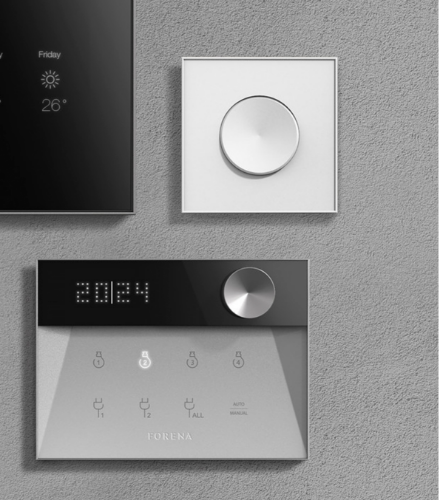
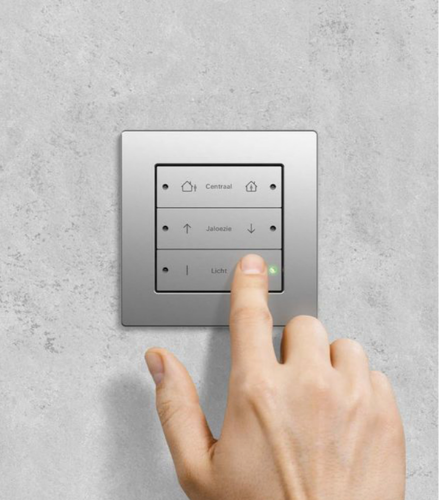
Poorly planned electrical points are one of the most common post-move-in regrets. Insufficient sockets, awkward switch placements, and missing internet points lead to visible wires and daily inconvenience.
How to avoid it:
Finalise furniture layouts and appliance positions before planning electrical points. This ensures convenience, safety, and a clean visual finish throughout the home.
Being aware of these interior design mistakes to avoid early can prevent costly changes and long-term discomfort later.
Final Thoughts: Interior Design Mistakes to Avoid
Most interior design regrets happen when planning overlooks real-life usage. A thoughtfully designed home focuses on comfort, functionality, and long-term adaptability. Taking the time to plan layouts, lighting, storage, and electricals together ensures your home remains practical, elegant, and enjoyable for years to come.
SHARE THIS ARTICLE